You Don't Need Another Quick-Fix. You Need to Get to the Root.
Acupuncture, Advanced Allergy Therapeutics & Subconscious Imprinting Technique to help you break free from the patterns keeping you stuck, so you can finally feel like yourself again.
You've Tried Everything. So Why Do You Still Feel This Way?
You've done the therapy. Tried the medications. Seen the specialists. Maybe even explored alternative approaches.
But racing thoughts still wake you up at 3 AM. The pain keeps coming back. The overwhelm never really goes away.

Here's what nobody's telling you:
Your body isn't broken. It's holding onto something deeper - unprocessed emotions, old patterns, stress that's been stored at a cellular level for years.
And until you address that, nothing else will truly work.
You don't need another diagnosis. You need someone who sees the whole picture - mind, body, and spirit - and knows how to help you release what's been holding you back.
Not Your Average Acupuncturist
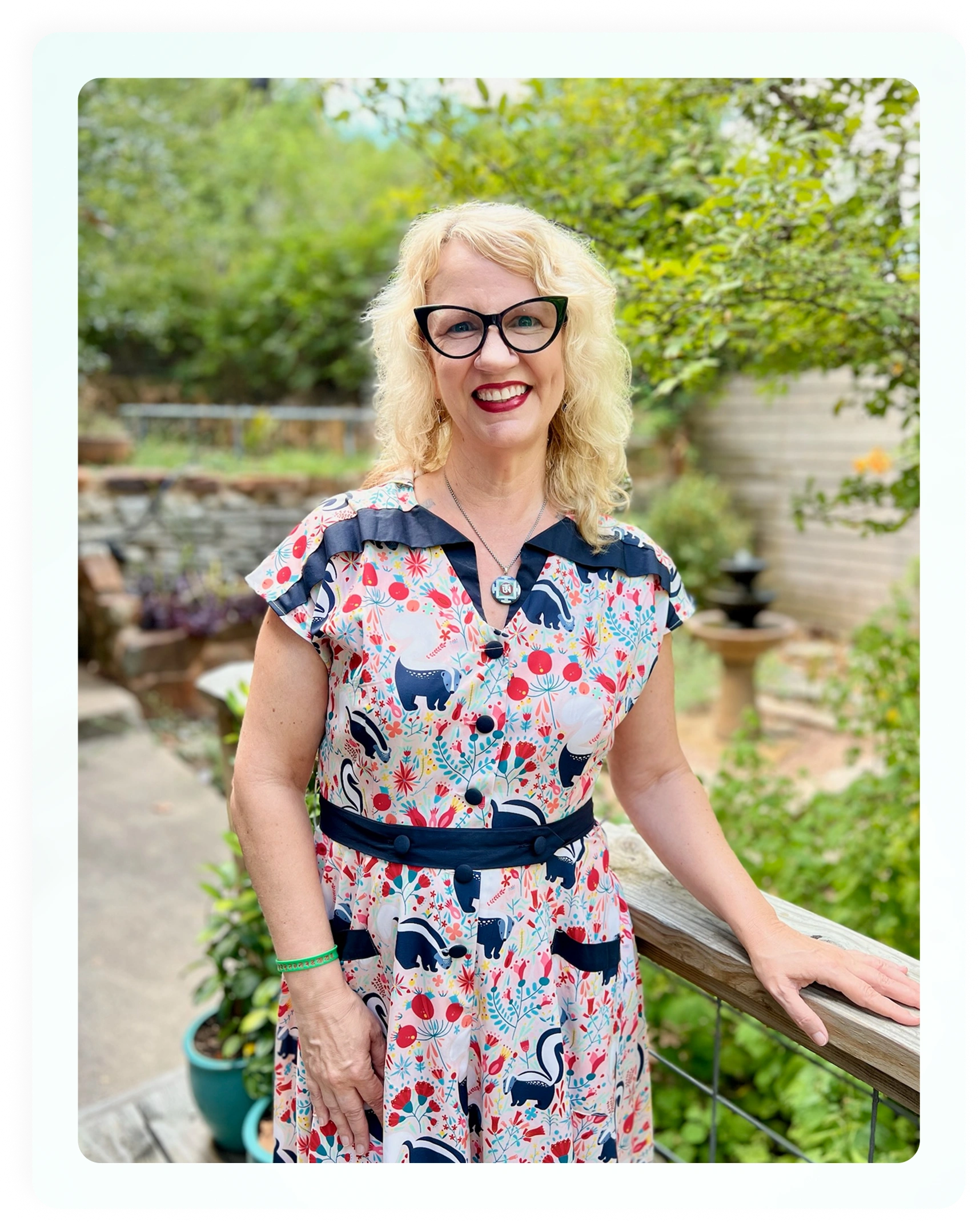
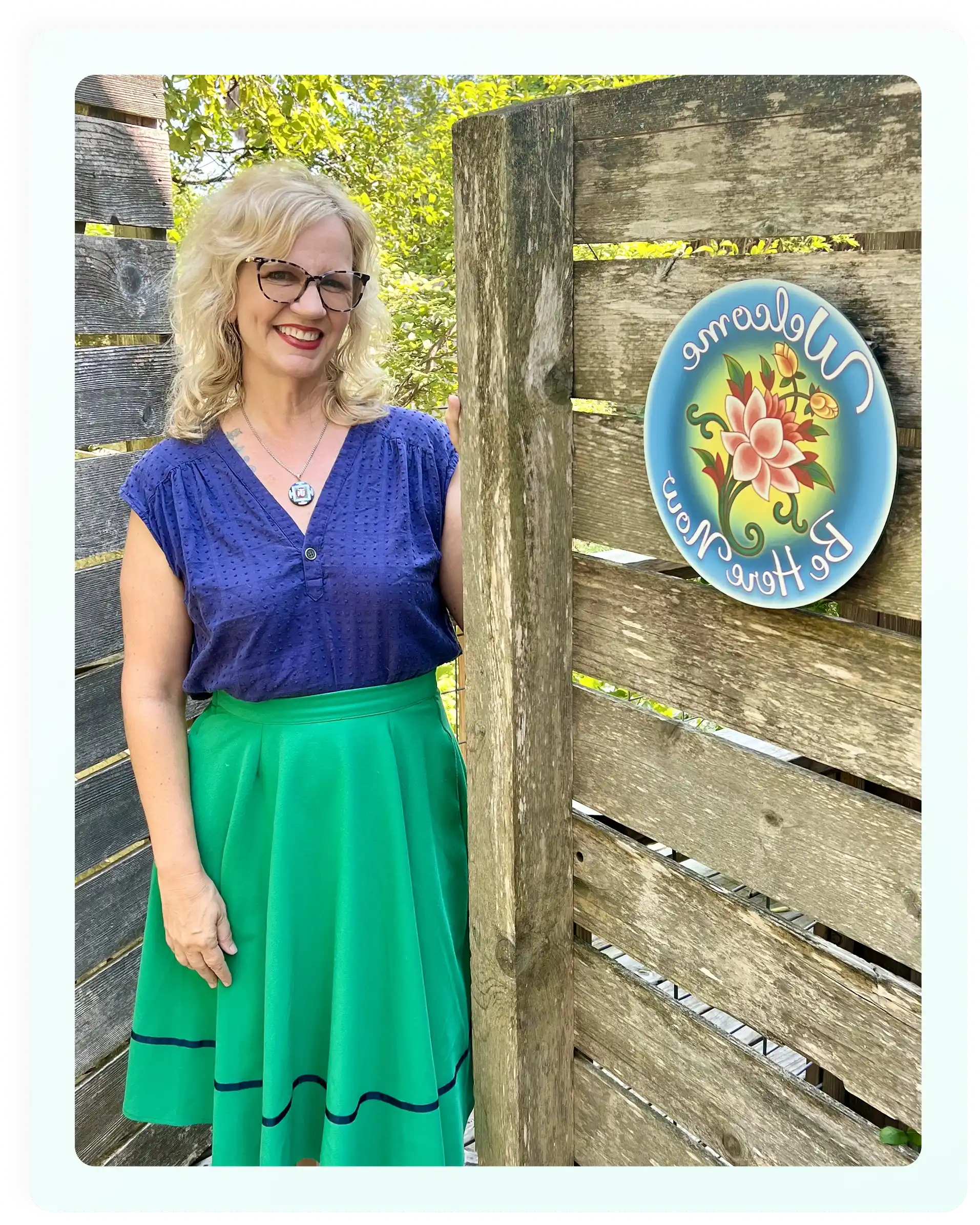
I'm Kymberlie Landgraf, and I've been told I'm a bit of a paradox.
Think: Iris Apfel meets Thích Nhất Hạnh with a rock 'n' roll edge.
I grew up in Southeast Asia, studied perennial wisdom at a monastery (just for kicks), co-created an art import wholesale company working with artists in Mexico, and somehow ended up supervising students at an acupuncture school in Austin. All before finding my true calling: helping people like you break free from the patterns that keep them stuck.
I've spent 20 years in practice, but I'm not your typical "needles and chill music" acupuncturist. I bring a dash of Buddhist philosophy, a pinch of big-picture perspective, and a whole lot of realness to every session.

Because here's the truth:
After two decades of treating every ailment under the sun, one thing is undeniably clear to me...
People don't deeply heal until the emotional root is addressed.
The persistent issues I keep seeing aren't random. They are SOS signals from the body. Repressed emotions and outdated conditioning, desperately asking to be seen.
I've walked through my own fires. I've navigated broken mental healthcare systems, sat with loved ones through terminal illness, and watched a parent disappear to dementia. Helpless. Shuffled between programs that only masked symptoms and never once asked why.
That's exactly what was missing. And it's why I brought SIT into my practice.
These experiences didn't break me.
They showed me what real healing actually requires. And now I'm here to help you find it too.
Here's How We'll Get You There


We Find the Root
Not just your symptoms, but the actual root cause. The repressed emotions, the stored trauma, the patterns running in the background of your life

We Release What's Stuck
Using acupuncture, Advanced Allergy Therapeutics (AAT), and Subconscious Imprinting Technique (SIT), we help your nervous system release what it’s been clinging to.

We Release What's Stuck
Using acupuncture, Advanced Allergy Therapeutics (AAT), and Subconscious Imprinting Technique (SIT), we help your nervous system let go of what it's been holding onto.


You Reclaim Your Life
Better sleep. Less pain. More presence. A regulated nervous system. And finally... FINALLY...the freedom to be yourself.
How We Can Work Together
Lotus Seed
Perfect if you're curious, need relief now, or want to experience this work before committing.

What you get: A single session of acupuncture, AAT, or SIT tailored to what your body needs most.
Lotus Jewel (Most Transformative)
The gold standard for releasing repressed emotions and rewiring subconscious patterns.
What you get:
Lotus Blossom
For those interested in a natural alternative to invasive cosmetic treatments.
What you get:
Mix & Match Packages
Choose the modality you need, when you need it.
What you get: A package of Acupuncture & AAT sessions.
Floating Lotus
The best options for those who want to do SIT sessions virtually/online.
What you get:
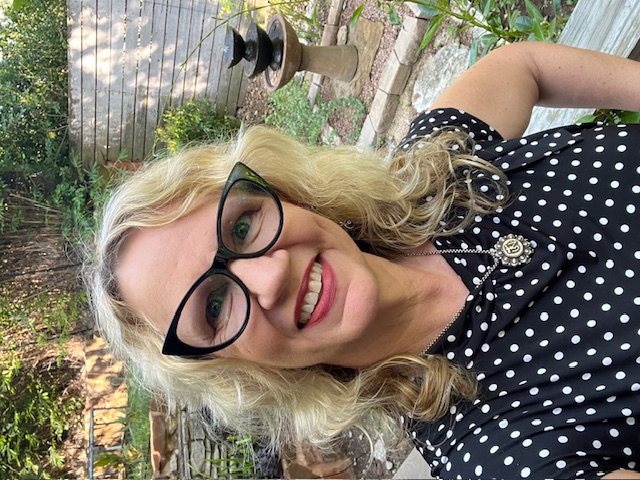
The lotus doesn't bloom despite the mud -it blooms because of it.
No matter what your experience has been in the past, healing is possible!
Real People. Real Results.

“That decision completely changed my life.”
I originally came to Kimberly for acupuncture to help with persistent, cystic acne. I thought my skin was the issue, but very quickly I learned it was so much deeper than that. Through working together, it became clear that I was a strong candidate for (SIT), and that decision completely changed my life.
During our sessions, I uncovered how deeply ingrained my people-pleasing tendencies were. I had spent most of my life suppressing my emotions, not fully identifying or honoring how I felt, and consistently putting myself last. That emotional suppression was being stored in my body, especially in my heart space and my skin. My acne wasn’t random. It was my body asking to be heard.
Before SIT, life felt heavy and disconnected. I was constantly overextending myself for others, ignoring my own needs, and living in a way that was quietly but seriously impacting my health. I didn’t realize how much emotional weight I was carrying until I finally gave myself permission to look at it.
The SIT sessions themselves were more impactful than any therapy experience I’ve had. Kimberly created such a safe, guided space that allowed me to access my raw, honest emotions without fear or judgment. I was able to connect to past versions of myself, uncover the root of my people-pleasing behaviors, and see how those patterns were still influencing my life today. Through visualization, conversation, and somatic release, I was finally able to let go of emotional pain I had been holding onto for years. It felt like my mind, body, and soul were finally allowed to realign.
After the sessions, the changes were undeniable. My skin improved dramatically, clearer than it has been in years, which still amazes me. But beyond that, my entire life shifted. I became more productive, more present, and more confident. By no longer living in constant people-pleasing mode, I had more productive energy for myself, my work, and the things that truly matter. Ironically, by showing up more authentically, my relationships actually improved. People responded better to me because I was finally connected to my true self.
One of the biggest gifts from this work is that I now sit with and acknowledge my emotions instead of suppressing them. I understand my self-worth on a deeper level, and I make decisions from a place of alignment rather than obligation. I came in for skin healing and walked away having broken emotional contracts with myself that had been holding me back for most of my life.
The work is so powerful that I could easily spend hours in this space.
Working with Kimberly has been nothing short of transformative. This experience surprised me in the best possible way, and I am deeply grateful for the healing, clarity, and freedom I gained through SIT. It truly changed how I live, how I care for myself, and how I show up in the world.

Taylor B.
Cystic Acne · SIT Sessions
“I was amazed at what Kymberlie was able to uncover.”
What did you come to see me for?
I have been coming to Kymberlie for 10 ish years for help with perpetual (40+years) sinus infections, allergies and breathing issues
What was life like before your sessions?
I have been taking systemic antibiotics quarterly for years for these on going infections
How did you feel during the sessions?
At first I was unsure of the process - but as we got into the session - I was amazed what Kymberlie was able to get at - she took me back to when I was 10 years old - as I dug deep in my memory bank - I was able to better understand what might have precipitated this condition.
What did you notice after the sessions?
I noticed that I may have been harboring guilt and self blame, a mental/emotional situation that manifested itself in my body. I undertook a major deep dive into various issues that needed self forgiveness !!
If anything was missing for you, what do you wish was included?
Kymberlie was very generous with her time and knowledge as she assisted me to better understand what may be the underlying basis of this physical issue - if something was missing I couldn't identify it !
If you could let me know anything at all about your sessions or the process, what would it be?
Not sure I can add anything here - I came into the process with no expectation and was pleasantly surprised at the incredibly helpful outcome. Thanks, k

Kris D.
Chronic Sinus Issues · Allergy & Breathing Support
“From our very first session, I felt an immediate connection with Kymberlie.”
I was referred to Dr. Kymberlie Landgraf when I was struggling with small intestine bacterial overgrowth (SIBO) and microscopic colitis that had been disrupting my life for nearly a year. After seven months of pain, discomfort, and limited relief from pharmaceutical steroids—which I hoped to avoid long‑term—I was ready for a different approach.
From our very first session, I felt an immediate connection with Kymberlie. Her intuition, depth of knowledge, and ability to ask exactly the right questions made me feel seen, supported, and genuinely cared for. Over the course of five Advanced Allergy Therapeutics (AAT) sessions, she skillfully explored both the physical and emotional energetics affecting my GI system. Each time I left her office, I felt lighter, as if a weight had been lifted. My joy began to return, and I could feel my previously dysregulated emotions starting to settle.
Around that time, Kymberlie introduced me to a new modality she was training in: Subconscious Imprinting Technique (SIT). As a lifelong learner and dedicated practitioner, she was immersing herself deeply in this work, and I was fortunate to be part of her training process. I completed three SIT sessions, each one more profound than the last. These sessions took me into places within myself that I hadn’t accessed before.
Kymberlie has a remarkable ability to pinpoint meaningful ages, experiences, and emotional patterns. In one session, she asked about a particular year of my life—and it turned out to be the most stressful year I had ever lived through. In another, she gently guided me toward an insight about abandonment that led to one of the most powerful, life‑affirming revelations I’ve ever had. The internal shifts I experienced during SIT were beyond words and continue to influence my life in meaningful ways.
If you feel stuck in your body, your emotions, or your life, I cannot recommend Dr. Kymberlie Landgraf highly enough. She has an extraordinary toolkit—and more importantly, she knows exactly how to use it. Her work is intuitive, grounded, compassionate, and transformative.

Stacey L.
SIBO & Microscopic Colitis · AAT + SIT Sessions
Not Ready to Book Yet? Start Here.
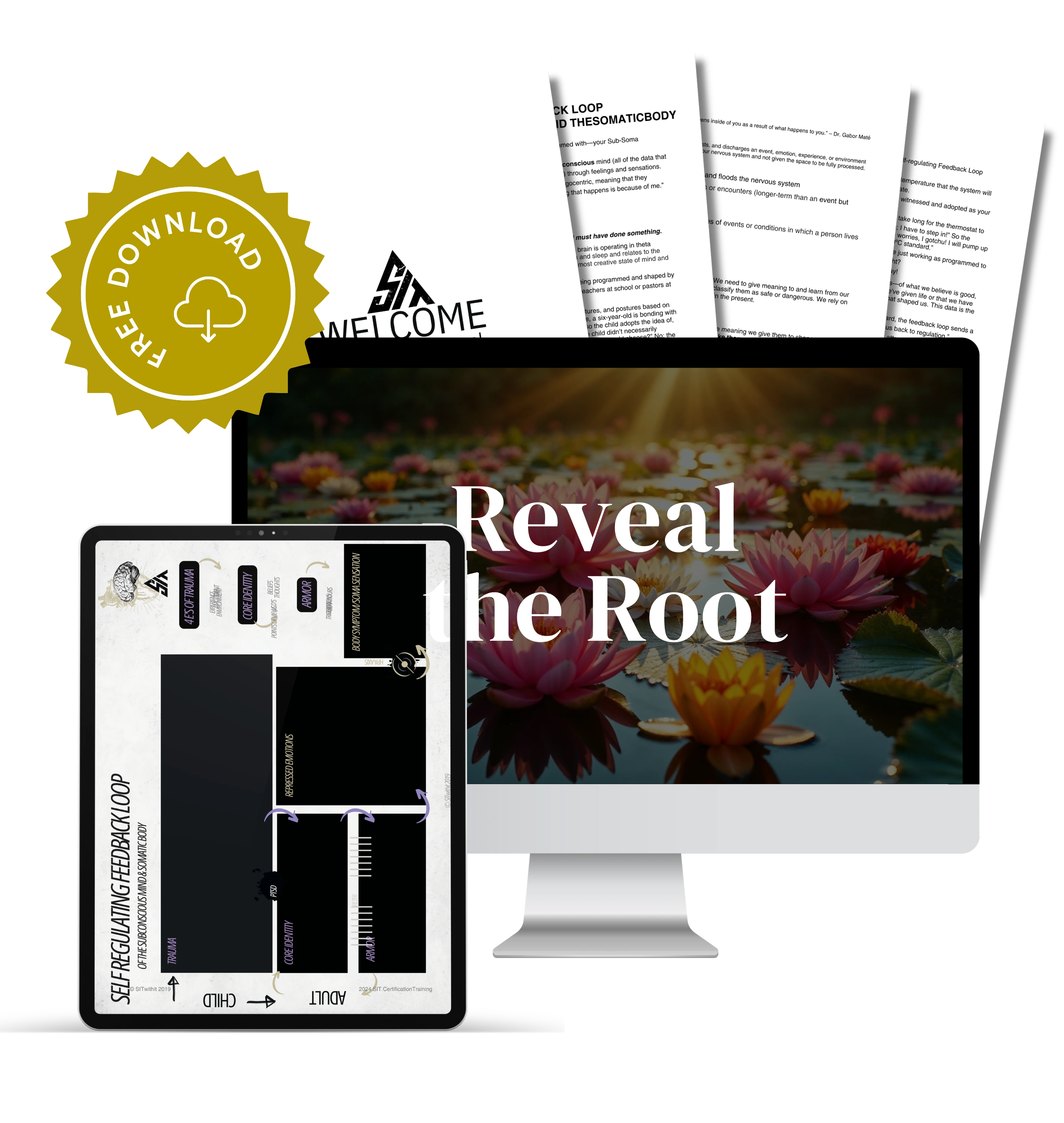
Complete the Reveal the Root Survey and discover where these patterns started and what's been keeping them alive.
This is the same framework I use with clients to reverse-engineer symptoms and uncover the subconscious imprints driving their stress, pain, and overwhelm.
It's free. It's powerful. And it might just change everything.
Crimson Lotus Acupuncture
© 2026 Crimson Lotus Healing Arts | Kymberlie Landgraf, L.Ac.
Austin, Texas | 🏳️🌈 Proudly supporting the LGBTQIA+ community year-round.